UK Credit Card Acceptance: Complete Guide to Where and How Cards Are Used
Advertisement
Complete guide to UK credit card acceptance rates, payment methods, and where cards are accepted. Learn about contactless limits, mobile payments, and merchant policies.

Credit card acceptance in the UK has evolved dramatically over recent years, with the vast majority of retailers, restaurants, and service providers now welcoming card payments. Understanding where and how your credit cards are accepted can help you make informed decisions about which cards to carry and how to manage your finances effectively.
Current State of Credit Card Acceptance in the UK
The UK boasts one of the highest credit card acceptance rates globally, with over 95% of retail locations accepting card payments. This widespread adoption has been driven by technological advances, changing consumer preferences, and the shift towards a cashless society that accelerated significantly in recent years.
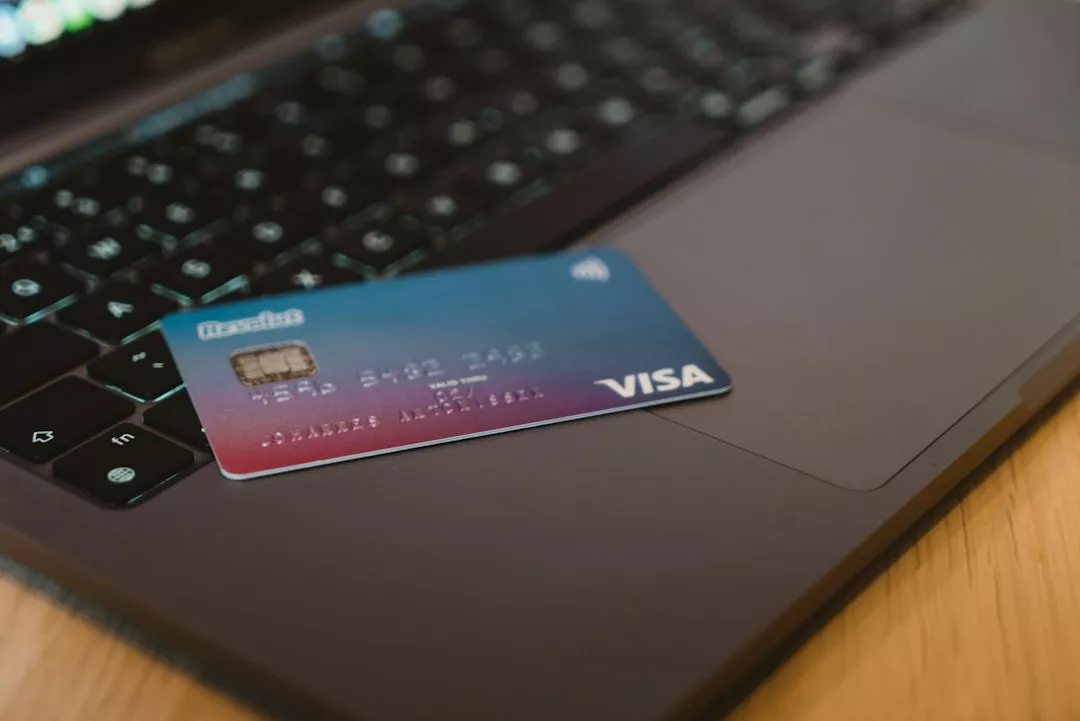
Major credit card networks including Visa, Mastercard, and American Express are widely accepted across the UK. However, acceptance rates can vary slightly depending on the card network and the type of establishment you're visiting.
Visa and Mastercard Acceptance
Visa and Mastercard enjoy near-universal acceptance in the UK. Whether you're shopping at major retailers like Tesco or Marks & Spencer, dining at restaurants, or purchasing fuel at petrol stations, these cards are virtually guaranteed to be accepted. This makes credit cards from providers like Barclays, Lloyds, or HSBC reliable payment options for everyday transactions.
American Express Acceptance
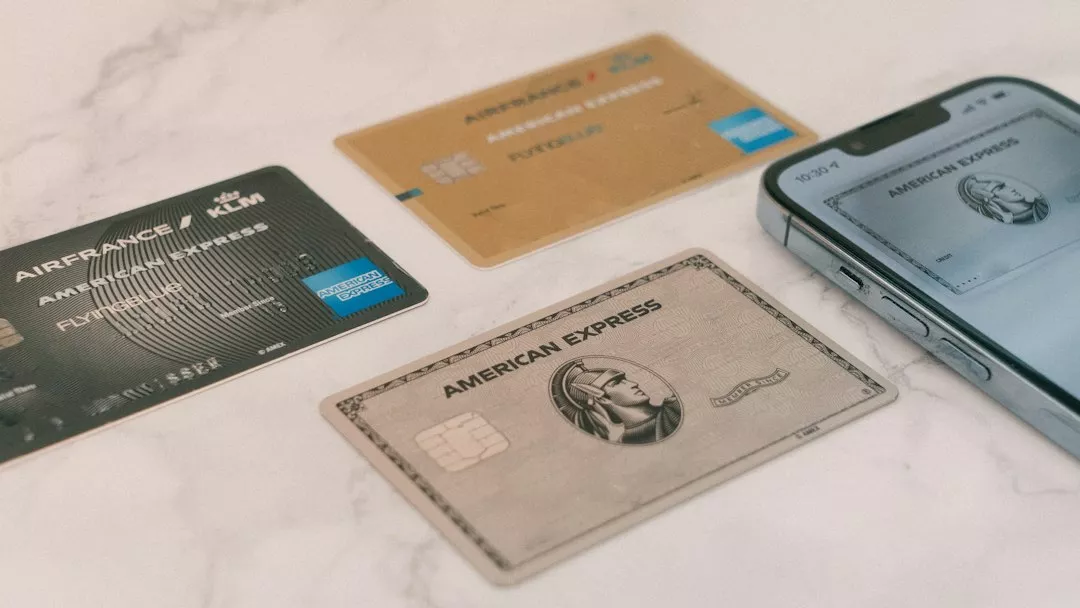
American Express acceptance in the UK has improved significantly, with most major retailers now accepting Amex cards. However, you may occasionally encounter smaller independent businesses that don't accept American Express due to higher merchant fees. It's always wise to carry a Visa or Mastercard as a backup when using American Express.
Where Credit Cards Are Universally Accepted
Retail and Shopping
All major UK retailers accept credit cards, including:
- Supermarket chains (Tesco, ASDA, Sainsbury's, Morrisons)
- Department stores (John Lewis, Selfridges, Harrods)
- High street clothing retailers (Next, H&M, Zara)
- Electronics stores (Currys, Argos, Apple Store)
- Home improvement stores (B&Q, Wickes, Homebase)
Hospitality and Dining
The hospitality sector widely embraces credit card payments:
- Chain restaurants and fast food outlets
- Independent restaurants and cafes
- Pubs and bars
- Hotels and accommodation providers
- Cinema chains and entertainment venues
Transport and Travel
Credit cards are essential for modern travel in the UK:
- Train operators (National Rail, London Underground)
- Bus services and transport networks
- Taxi services and ride-sharing apps
- Airlines and travel agencies
- Car rental companies
- Petrol stations and motorway services
Contactless Payments and Spending Limits
Contactless card payments have become the norm in the UK, with the current limit set at £100 per transaction. This increase from the previous £45 limit has made credit cards even more convenient for everyday purchases. Most UK credit cards support contactless payments, and many retailers prefer this payment method due to its speed and hygiene benefits.
PIN and Signature Requirements
For transactions above the contactless limit, you'll need to enter your PIN or provide a signature. Some high-value purchases may require additional verification regardless of the payment method. It's important to memorize your PIN and keep your card secure to avoid any payment difficulties.
Mobile Payment Integration
Digital wallet services have gained significant traction in the UK, with most credit cards now supporting:
- Apple Pay
- Google Pay
- Samsung Pay
- Bank-specific mobile apps
These services often provide the same contactless limits as physical cards and are accepted wherever contactless payments are available. Many consumers find mobile payments more secure and convenient than carrying physical cards.
Establishments with Limited Card Acceptance
Small Independent Businesses
While card acceptance is widespread, some smaller establishments may have limitations:
- Minimum spend requirements (typically £5-10)
- Cash-only policies for very small purchases
- Limited card network acceptance
- Preference for debit over credit cards
Traditional Cash-Based Sectors
Certain sectors may still prefer cash payments:
- Some market stalls and car boot sales
- Certain tradespeople and service providers
- Very small local businesses
- Some tipping scenarios
Online Credit Card Acceptance
E-commerce in the UK shows virtually universal credit card acceptance. All major online retailers, subscription services, and digital platforms accept credit cards. This includes:
E-commerce Platforms
- Amazon, eBay, and other marketplaces
- Retail websites and online stores
- Subscription services (Netflix, Spotify, etc.)
- Food delivery platforms
- Online gaming and entertainment
Security Features
Online transactions benefit from enhanced security measures including 3D Secure authentication, fraud monitoring systems, and purchase protection. These features make credit cards one of the safest payment methods for online shopping. For tips on staying safe while shopping online, check out our guide on online shopping security.
Benefits of High Card Acceptance
Consumer Convenience
Wide credit card acceptance offers numerous benefits:
- Reduced need to carry cash
- Better expense tracking and budgeting
- Enhanced security compared to cash
- Rewards and cashback opportunities
- Purchase protection and insurance benefits
Financial Flexibility
Credit cards provide financial flexibility that cash cannot match, including extended payment terms, emergency credit access, and the ability to make large purchases without immediate cash outlay. When used responsibly, credit cards can be valuable financial tools. Learn more about improving your credit score through responsible card usage.
Industry-Specific Considerations
Healthcare and Professional Services
Most private healthcare providers, dental practices, and professional service firms accept credit cards. However, NHS services typically don't require payment at point of service, though some NHS trusts accept cards for parking, prescriptions, and optional services.
Government and Public Services
Many government services now accept credit card payments online, including:
- DVLA services and vehicle tax
- Passport applications
- Court fees and fines
- Council tax and local authority services
Future of Card Acceptance in the UK
The trend towards increased digitization suggests that credit card acceptance will continue to expand. Emerging payment technologies, including cryptocurrency integration and biometric authentication, may further enhance the convenience and security of card payments.
Regulatory Environment
UK financial regulations continue to evolve to support digital payments while protecting consumers. The Payment Services Directive and Strong Customer Authentication requirements ensure that card acceptance remains both convenient and secure.
Understanding the current landscape of credit card acceptance in the UK helps you make informed decisions about which cards to carry and how to manage your payments effectively. With near-universal acceptance across most sectors, credit cards remain one of the most reliable and convenient payment methods available to UK consumers today.

Sarah Mitchell
Financial journalist with over 8 years of experience covering personal finance, banking, and credit markets in the United Kingdom.