Online Shopping Security: Protect Your Card from Fraud
Advertisement
Learn essential online shopping security tips to protect your credit card from fraud. Discover safe payment methods, warning signs, and best practices for secure purchases.
Essential Online Shopping Security Tips
Online shopping has revolutionized how we purchase everything from daily necessities to luxury items, but it has also created new opportunities for fraudsters to steal your financial information. With billions of transactions happening online every day, protecting your credit card from fraud has become more critical than ever.
Understanding how to shop safely online isn't just about avoiding obvious scams. It's about developing smart habits that protect your financial information across all your digital purchases, from major retailers to smaller specialty shops.
Recognizing Secure Shopping Websites
Essential Security Indicators
Before entering any payment information, always verify that a website is legitimate and secure. Look for the padlock icon in your browser's address bar, which indicates the site uses SSL encryption. The web address should begin with "https://" rather than "http://" – the 's' stands for secure.
Reputable websites also display trust badges from recognized security companies like Norton, McAfee, or VeriSign. While these can be faked, legitimate sites typically have multiple security indicators working together.
Red Flags to Avoid
Be cautious of websites with poor grammar, spelling errors, or unprofessional design. Legitimate retailers invest in professional websites. Extremely low prices that seem too good to be true often are, especially for brand-name products.
Avoid sites that only accept wire transfers, money orders, or cryptocurrency payments. These payment methods offer no fraud protection, unlike credit cards with robust fraud protection.
Safe Payment Methods
Credit Cards vs. Debit Cards
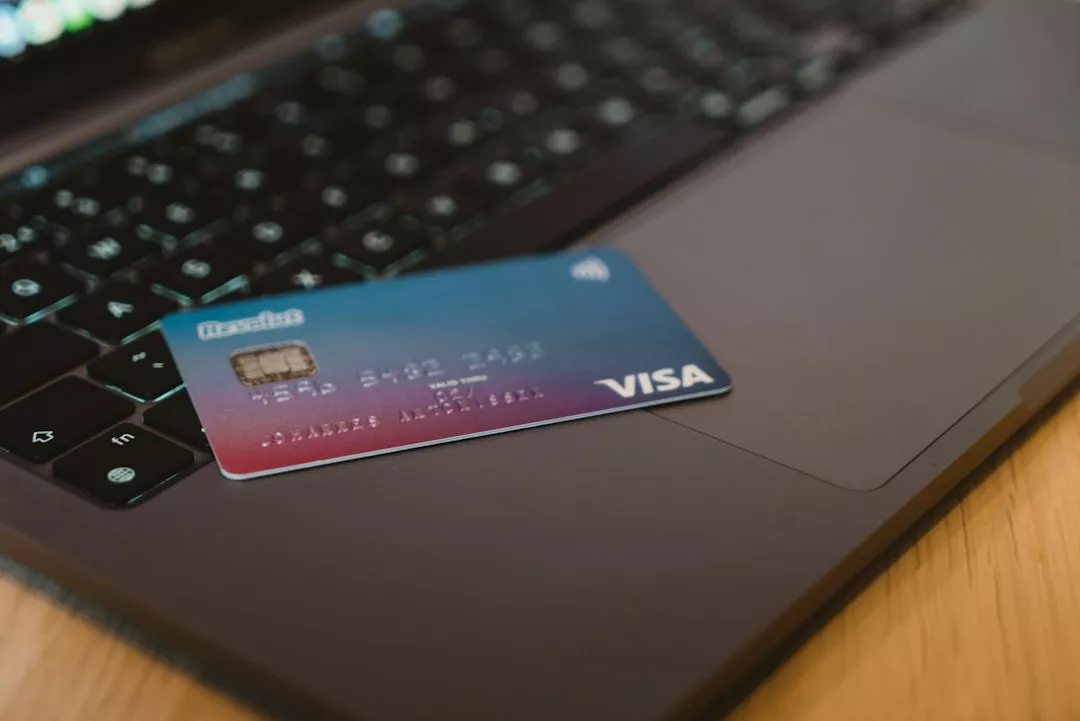
Credit cards offer superior fraud protection compared to debit cards. If someone uses your credit card fraudulently, you're typically only liable for a maximum of $50, and many issuers offer zero liability protection. With debit cards, fraudulent transactions can immediately drain your bank account, and recovery can take days or weeks.
Most credit card companies provide real-time fraud monitoring and will alert you to suspicious activity. They can also quickly freeze your account and issue a replacement card if needed.
Digital Wallets and Alternative Payment Methods
Digital wallets like Apple Pay, Google Pay, and Samsung Pay add an extra layer of security through tokenization. Instead of sharing your actual card number with merchants, these services generate unique transaction codes that can't be reused if intercepted.
PayPal and similar services also act as intermediaries, keeping your actual card details away from merchants. However, always ensure you're on the legitimate PayPal site and not a convincing fake.
Creating Strong Account Security
Password Best Practices
Use unique, strong passwords for all shopping accounts. A good password contains at least 12 characters with a mix of uppercase and lowercase letters, numbers, and symbols. Never reuse passwords across multiple sites – if one site gets breached, all your accounts become vulnerable.
Consider using a password manager to generate and store complex passwords. These tools can create unique passwords for every account and automatically fill them in when needed.
Two-Factor Authentication
Enable two-factor authentication (2FA) on all shopping accounts that offer it. This adds a second verification step, typically a code sent to your phone or generated by an app. Even if someone steals your password, they won't be able to access your account without the second factor.
Smart Shopping Habits
Research Before You Buy
Before making purchases from unfamiliar websites, research the company online. Check reviews on independent sites, look up the business with consumer protection agencies, and verify their contact information. Legitimate businesses provide clear return policies, customer service contacts, and physical addresses.
Be especially careful with social media advertisements and pop-up ads. These often lead to fraudulent websites designed to steal your information.
Monitor Your Accounts
Regularly check your credit card statements for unauthorized charges, even small ones. Fraudsters sometimes make small test purchases before attempting larger transactions. Set up account alerts to notify you of all transactions, which can help you catch fraud quickly.
Many banks and credit card companies offer mobile apps with real-time transaction notifications. Use these features to stay informed about all account activity.

Safe Network Practices
Avoid Public Wi-Fi for Shopping
Never enter credit card information while connected to public Wi-Fi networks in coffee shops, airports, or hotels. These networks are often unsecured, making it easy for criminals to intercept your data. If you must shop while away from home, use your phone's cellular data connection instead.
If you frequently need to make purchases while traveling, consider using a VPN (Virtual Private Network) to encrypt your internet connection.
Keep Software Updated
Ensure your browser, operating system, and security software are always up to date. Updates often include security patches that protect against newly discovered vulnerabilities. Enable automatic updates when possible to stay protected without having to remember manual updates.
Handling Suspicious Activity
Immediate Response Steps
If you notice unauthorized charges on your account, contact your credit card company immediately. Most issuers have 24/7 fraud hotlines for reporting suspicious activity. The sooner you report fraud, the better your chances of minimizing damage and recovering any losses.
Don't wait to see if more charges appear – report suspicious activity as soon as you notice it. Even if it turns out to be a legitimate charge you forgot about, it's better to be cautious.
Documentation and Follow-up
Keep detailed records of all fraud-related communications with your bank or credit card company. Document dates, times, and the names of representatives you speak with. Most issuers will send written confirmation of fraud reports, which you should keep for your records.
Understanding how fraud affects your credit score can help you take appropriate steps to protect your financial reputation while resolving fraudulent activity.
Mobile Shopping Security
App vs. Browser Shopping
Shopping through official retailer apps is generally safer than using mobile browsers, as apps are harder to fake and typically include additional security features. However, only download apps from official app stores, and be cautious of apps with few downloads or poor reviews.
Keep your shopping apps updated and log out after each session, especially if you share your device with others.
Biometric Authentication
Take advantage of biometric authentication features like fingerprint or face recognition when available. These provide an additional security layer that's unique to you and difficult for others to replicate.
Building Long-term Security Habits
Developing good online shopping security habits protects not just your current purchases but your long-term financial health. Regular security practices become second nature with time and provide ongoing protection against evolving fraud techniques.
Remember that legitimate retailers want to protect their customers and will invest in security measures. If a website makes you uncomfortable or seems to lack basic security features, trust your instincts and shop elsewhere. The few extra minutes spent verifying a site's legitimacy can save you hours of dealing with fraud later.
By following these security practices and staying informed about new fraud techniques, you can enjoy the convenience of online shopping while keeping your financial information safe. The key is balancing convenience with caution, ensuring that every purchase is both easy and secure.

Sarah Mitchell
Financial journalist with over 8 years of experience covering personal finance, banking, and credit markets in the United Kingdom.