How to Improve Your Credit Score: Practical Tips That Actually Work
Advertisement
Learn proven strategies to boost your credit score with practical tips on payment history, credit utilization, and building strong credit habits that lenders love.
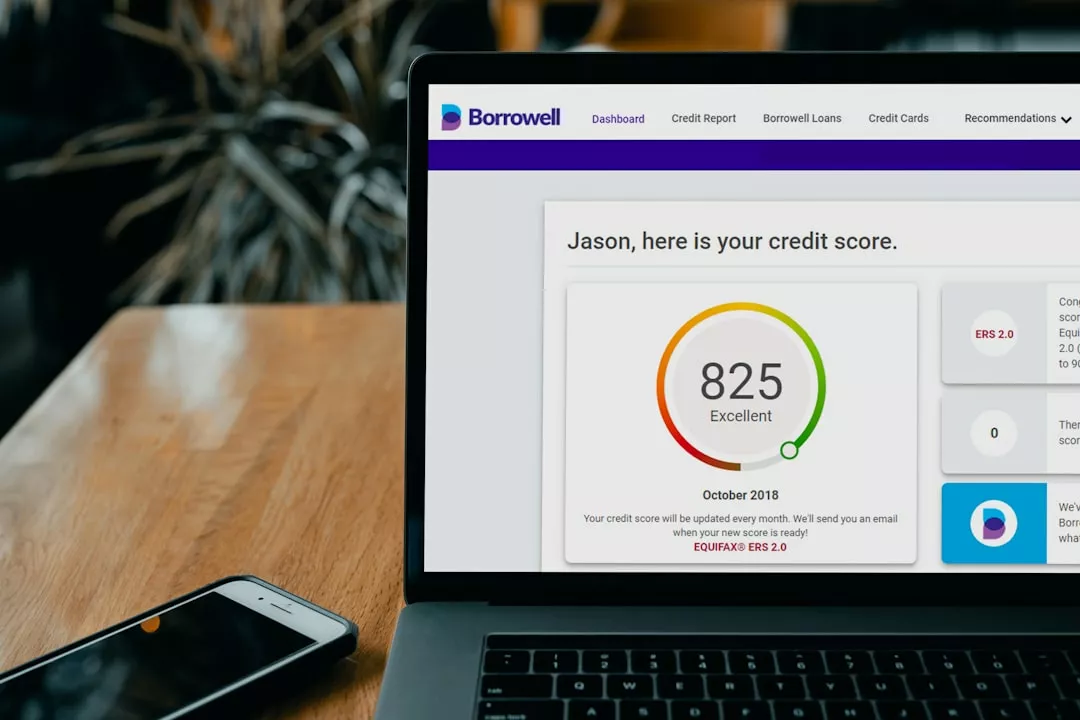
Your credit score is one of the most important numbers in your financial life, influencing everything from loan approvals to interest rates. Whether you're starting from scratch or looking to repair damaged credit, understanding how to improve your credit score can save you thousands in interest payments and open doors to better financial opportunities.
Understanding What Affects Your Credit Score
Before diving into improvement strategies, it's crucial to understand the factors that impact your credit score. Payment history typically accounts for the largest portion of your score, followed by credit utilization, length of credit history, types of credit accounts, and new credit inquiries.
Payment history shows lenders whether you consistently pay your bills on time. Even one missed payment can significantly impact your score, while a pattern of late payments can cause serious damage. Credit utilization refers to how much of your available credit you're using – keeping this low is essential for a healthy score.
Make All Payments On Time, Every Time
The most powerful action you can take to improve your credit score is establishing a perfect payment history. Set up automatic payments for at least the minimum amount due on all your accounts. This ensures you never miss a payment due to forgetfulness or busy schedules.
If you've missed payments in the past, don't panic. The impact of late payments diminishes over time, and recent payment history carries more weight than older mistakes. Focus on making every payment on time moving forward, and you'll see gradual improvement.
Consider setting payment reminders on your phone or calendar for a few days before each due date. This gives you time to ensure sufficient funds are available and make the payment manually if needed.
Optimize Your Credit Utilization Ratio
Credit utilization is the percentage of your available credit that you're currently using. Most experts recommend keeping this below 30%, but for excellent credit scores, aim for under 10%. This applies both to individual cards and your overall credit utilization across all accounts.

If your utilization is currently high, consider making multiple payments throughout the month rather than waiting for your statement date. Pay down balances before your statement closes to ensure lower utilization is reported to credit agencies.
Another strategy is requesting credit limit increases on existing accounts. This instantly improves your utilization ratio without requiring you to pay down debt. However, avoid the temptation to spend more just because you have higher limits available.
Keep Old Accounts Open
The length of your credit history contributes to your score, so resist the urge to close old credit cards, especially if they don't have annual fees. Closing accounts reduces your available credit and can increase your utilization ratio.
If you have an old card you never use, consider making a small purchase every few months and paying it off immediately. This keeps the account active and continues building your credit history length.
When you do need to close an account, choose newer cards or those with less favorable terms rather than your oldest accounts.
Diversify Your Credit Mix
Having different types of credit accounts can positively impact your score. This might include credit cards, installment loans, and other forms of credit. However, don't open new accounts just for the sake of diversity – only take on credit you need and can manage responsibly.
If you only have credit cards, consider whether a small personal loan or retail installment plan makes sense for a purchase you're planning anyway. The key is demonstrating you can handle various types of credit responsibly.
Monitor Your Credit Reports Regularly
Check your credit reports from all major credit agencies regularly to identify errors or fraudulent accounts. Dispute any inaccuracies you find, as these can unfairly drag down your score.
Many people are surprised to find errors on their credit reports, from incorrect payment histories to accounts that don't belong to them. Catching and correcting these mistakes can provide an immediate boost to your score.
Set up alerts with your bank or credit monitoring service to notify you of significant changes to your credit report. This helps you catch identity theft or errors quickly.
Be Strategic About New Credit Applications
Each time you apply for new credit, it generates a hard inquiry that can temporarily lower your score. Be strategic about when and how often you apply for new accounts.
If you're shopping for the best rates on a loan, try to complete all applications within a short window. Credit scoring models typically treat multiple inquiries for the same type of loan within 14-45 days as a single inquiry.
Avoid applying for multiple credit cards in a short period, as this can signal financial distress to lenders and significantly impact your score.
Consider Becoming an Authorized User
If you're starting with limited credit history, becoming an authorized user on someone else's account can help build your credit. Choose someone with excellent payment history and low utilization, as their positive credit behavior will reflect on your credit report.
This strategy works particularly well for young adults whose parents have strong credit histories. However, ensure the primary cardholder maintains good credit habits, as negative behavior will also affect your score.
Use Credit Building Tools
Several financial products are specifically designed to help build or rebuild credit. Secured credit cards require a deposit that typically becomes your credit limit, but they report to credit agencies just like traditional cards.
Credit-builder loans allow you to make payments over time, with the loan amount released to you after completion. These demonstrate your ability to make consistent payments and can boost your credit mix.

Pay Off Debt Strategically
When paying off multiple debts, consider both the mathematical and psychological approaches. The debt avalanche method focuses on paying off highest-interest debt first, while the debt snowball method targets smallest balances for quick wins.
From a credit score perspective, paying down credit card debt has the most immediate impact due to improved utilization ratios. Focus on cards that are closest to their limits first for maximum score improvement.
Consider using resources like credit card guides to understand which products might help with balance transfers or debt consolidation.
Be Patient and Consistent
Credit score improvement is a marathon, not a sprint. Positive changes typically appear within 30-60 days of implementing new habits, but significant improvements may take several months or even years.
The key is consistency in your approach. Make payments on time, keep utilization low, and avoid new debt whenever possible. Small, consistent actions compound over time to create substantial improvements.
Track your progress monthly but don't obsess over small fluctuations. Credit scores naturally vary slightly month to month, so focus on the overall trend rather than individual data points.
Common Mistakes to Avoid
Don't close accounts immediately after paying them off, as this can hurt your credit utilization and history length. Avoid co-signing for loans unless you're prepared to take full responsibility for the debt.
Never pay credit repair companies to "fix" your credit – anything legitimate they can do, you can do yourself for free. Be wary of schemes promising quick credit score improvements, as legitimate credit building takes time.
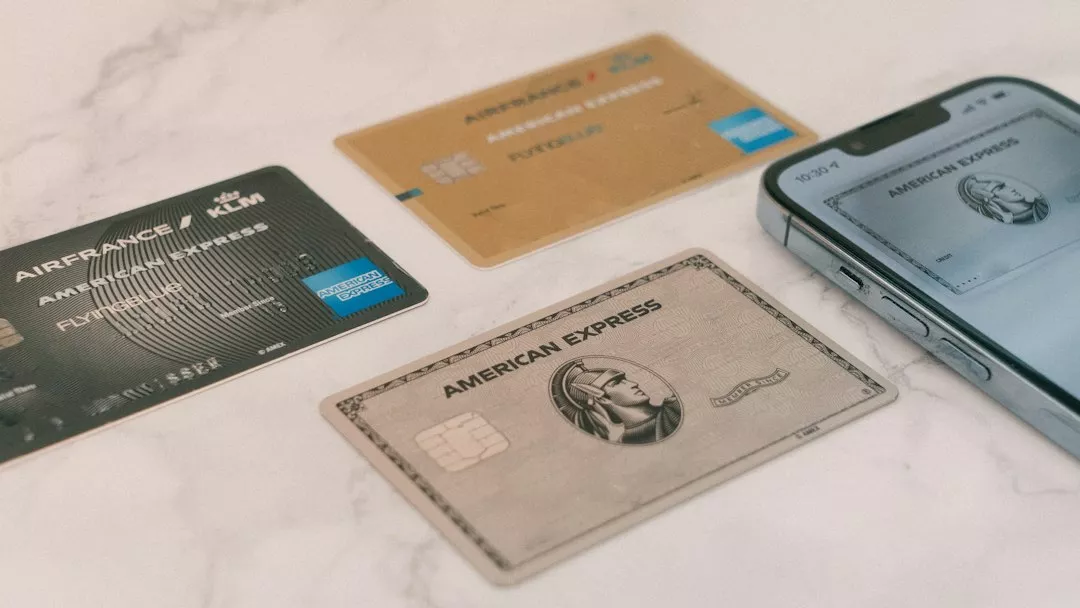
Understanding how to leverage different credit card options can help you build credit while earning rewards, but always prioritize responsible usage over potential benefits.
Building excellent credit is one of the most valuable financial skills you can develop. With patience, consistency, and the right strategies, you can achieve a credit score that opens doors to the best interest rates and financial opportunities available.

James Okonkwo
Banking analyst and personal finance writer specializing in South African financial markets, investment strategies, and credit products.