How to Build an Emergency Fund in South Africa: A Practical Step-by-Step Plan
Advertisement
Learn how to build an emergency fund in South Africa: how much to save, where to keep it, and practical steps to stay on track when life gets expensive.

Retrenchment, a burst geyser, a sudden medical bill or a car that will not start on Monday morning: South African households face unexpected costs all the time. Without a financial cushion, these shocks often end up on a credit card, a store account or a loan from a lender who charges steep interest. An emergency fund is the simplest defence against that spiral, and building one is far more achievable than most people think.
This guide walks you through what an emergency fund is, how big yours should be, where to keep it, and how to build it steadily even when money is tight.
What Is an Emergency Fund (and What Is It Not)?
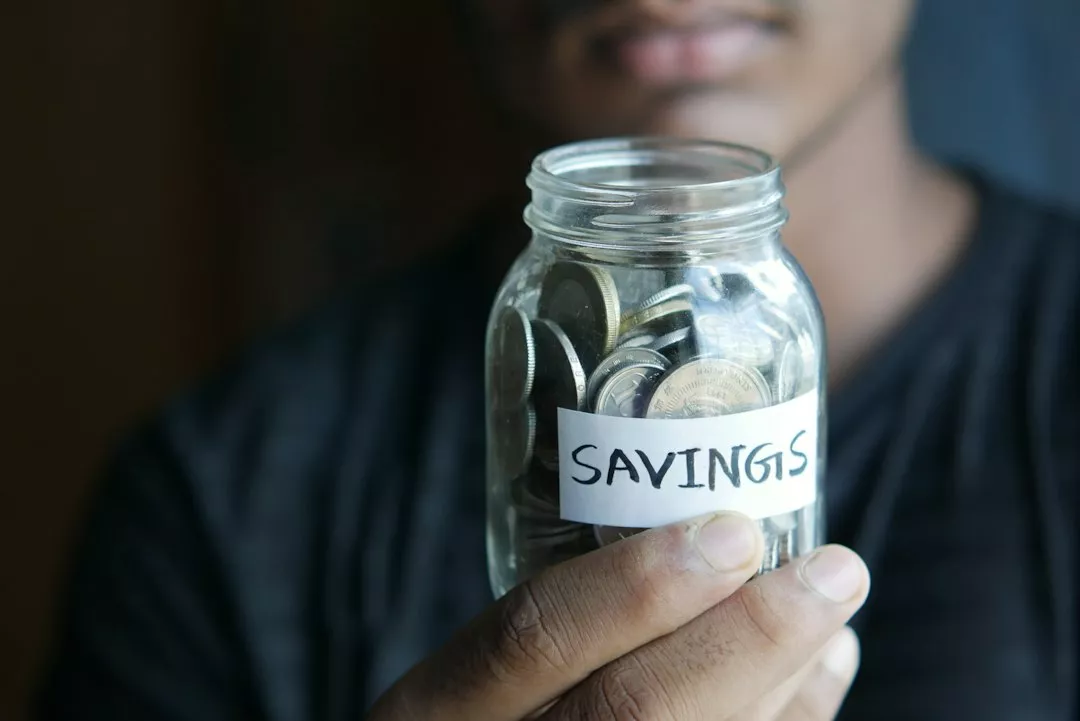
An emergency fund is a dedicated pool of money set aside for genuine, unplanned financial shocks. It is not a holiday fund, a festive season fund or a deposit for a new phone. The purpose is protection, and that means being strict about what counts as an emergency.
What usually qualifies
- Loss of income, such as retrenchment, reduced hours or a client who stops paying (especially relevant if you freelance)
- Urgent medical or dental costs not covered by your medical aid or gap cover
- Essential home repairs, like a leaking roof, a broken geyser or a failed security gate motor
- Essential car repairs when you depend on the vehicle to get to work
- Urgent travel for a family emergency
What usually does not qualify
- Sales, discounts and "once-off" bargains
- Predictable annual costs such as school fees, insurance renewals or licence disc renewals (these belong in a sinking fund, covered below)
- Lifestyle upgrades
Why South Africans Especially Need One
Many households here support extended family, which means a single income often stretches across more people than the household on paper. Add the realities of load shedding costs, rising food and transport prices, and a job market where retrenchments are a constant worry, and a buffer becomes essential rather than optional.
There is also the cost of not having one. Borrowing in a crisis usually means taking on debt at the worst possible moment. If you have ever wondered how fast that cost grows, our guide to credit card interest in South Africa shows how quickly an unpaid balance can snowball.
How Much Should You Save?
The widely used guideline is to hold enough to cover several months of essential expenses. Essential means the costs you cannot avoid: rent or bond repayments, groceries, utilities, transport, insurance premiums, debt repayments and school costs. It does not include entertainment, takeaways or subscriptions you could pause.
Work out your number
- List your essential monthly expenses using your bank statements from the last few months.
- Add them up to get your monthly survival figure.
- Multiply by the number of months of cover that suits your situation.
Your ideal cushion depends on your circumstances:
- Stable salaried job, no dependants: a smaller buffer may be reasonable.
- Single income household or dependants: aim for a larger buffer.
- Freelancers, commission earners and business owners: income is irregular, so a bigger cushion is wise.
If the full target feels overwhelming, start with a mini-goal. Even one month of essential expenses protects you from many everyday shocks. If you have not yet mapped your spending, start with our South African budget planner guide so your target is based on real numbers rather than guesses.
Where to Keep Your Emergency Fund
The ideal home for emergency savings balances three things: safety, access and a sensible return. You want to be able to reach the money quickly, but not so easily that you dip into it for non-emergencies.
Options to consider
- A separate savings account: Keeping the fund apart from your day-to-day account reduces temptation. Major banks and digital banks offer savings products, and you can read about one popular option in our guide to Capitec Bank savings accounts.
- Notice or call accounts: These may pay more interest in exchange for a short notice period before you can withdraw. Check the notice terms carefully with the provider.
- Money market accounts or funds: These aim to offer higher yields than basic savings while staying relatively accessible. Understand that they are not the same as a bank deposit, and returns are never guaranteed.
Because rates, fees and withdrawal conditions change, always confirm the current interest rate, any monthly fees and the withdrawal rules with the bank or provider before opening an account.
What to avoid
Do not keep your emergency fund in volatile investments such as shares or crypto. Their value can fall at exactly the moment you need the cash. Emergency money should be stable first and profitable second.

A Step-by-Step Plan to Build Your Fund
Step 1: Open a dedicated account
Give the money its own space and, if your bank allows, its own name such as "Emergency Only". This small psychological trick helps more than you might expect.
Step 2: Automate your contribution
Set up a debit order or recurring transfer for the day after payday. Paying yourself first means the money moves before you have a chance to spend it. Start with an amount that does not strain your budget, then increase it whenever your income rises.
Step 3: Use windfalls wisely
Tax refunds, bonuses, side-hustle income and cash gifts are ideal for jumpstarting your fund. Directing even a portion of each windfall to savings can shorten your timeline dramatically.
Step 4: Trim and redirect
Review your subscriptions, airtime and data contracts, insurance quotes and grocery habits. Small savings add up, and redirecting them straight into your emergency account makes the effort visible. Reviewing recurring costs such as your car insurance can free up room in your budget without reducing your cover.
Step 5: Handle debt in parallel
If you carry expensive debt, you do not have to choose between savings and repayment. Most people do best by keeping up at least the minimum repayments, building a small starter buffer first, and then growing the fund while tackling the highest-interest balances. Being able to pay for a surprise in cash stops you from adding new debt on top of the old.
Emergency Fund vs Sinking Fund
People often confuse these two, and mixing them up is one of the main reasons emergency funds get drained. A sinking fund is money set aside gradually for expenses you know are coming: annual insurance premiums, school uniforms, car services, festive season spending or a planned holiday. An emergency fund is for the truly unexpected.
Keeping both separate means that a predictable expense never forces you to raid your safety net. Many people simply label separate savings pockets or accounts for each purpose.
Common Mistakes to Avoid
- Waiting until you can "afford" to save: A small, consistent habit beats a perfect plan that never starts.
- Treating the fund as a credit line: If you dip in, make replenishing it a priority.
- Chasing the highest return: Accessibility and safety matter more than squeezing out extra interest.
- Forgetting to review: As your expenses or family situation change, your target should too.
- Relying on credit as your backup plan: A credit limit is borrowed money, not savings. Approval and limits are always at the lender's discretion and can change.
Tax-Free Options for Longer-Term Savings
Once your emergency fund is in place, you can think about growing wealth beyond it. A tax-free savings account can be a useful next step for money you will not need in the short term, but it is not ideal for emergency cash because of how contributions and withdrawals are treated. Read our guide to South Africa tax-free savings to understand how those accounts work before you decide.
Final Thoughts
An emergency fund will not make headlines, but it quietly protects everything else you are working towards. It turns a crisis into an inconvenience, keeps you out of expensive debt and gives you the confidence to make decisions, like leaving a bad job or negotiating a better one, from a position of strength rather than panic.
Start small, automate the habit, keep the money separate and be strict about what counts as an emergency. Before choosing any savings product, always check the current interest rate, fees and withdrawal conditions directly with the provider, as these can change. Every product carries its own conditions and risks, so choose the one that fits your situation.

James Okonkwo
Banking analyst and personal finance writer specializing in South African financial markets, investment strategies, and credit products.