UK Contactless Payment Limits: Complete Guide to Card, Mobile and Transaction Rules
Advertisement
Complete guide to UK contactless payment limits for cards and mobile payments. Learn current limits, security features, and how to manage contactless spending safely.

Understanding UK Contactless Payment Limits
Contactless payments have transformed how we shop and pay for everyday purchases across the UK. From tapping your card at the local coffee shop to using your smartphone at major retailers, contactless technology offers convenience and speed. However, understanding the limits and security measures in place is crucial for managing your finances effectively.
The contactless payment system in the UK operates under specific limits designed to balance convenience with security. These limits apply to different types of contactless payments, from traditional chip and PIN cards to mobile wallet applications like Apple Pay and Google Pay.
Current Contactless Payment Limits for Cards
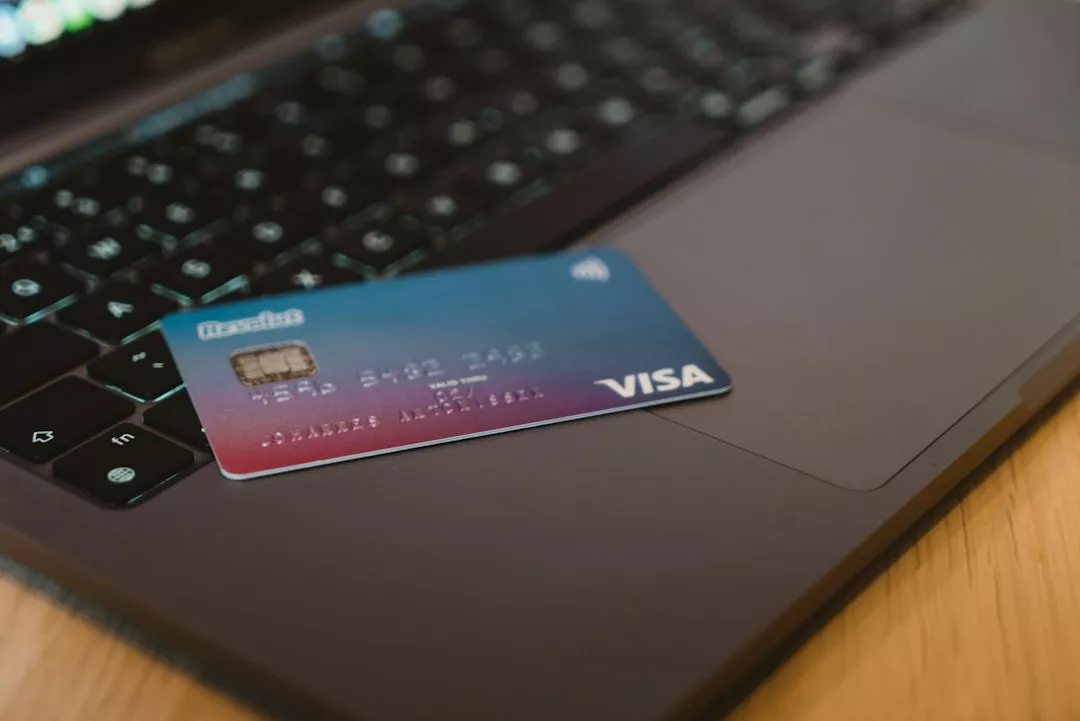
The standard contactless limit for debit and credit cards in the UK currently stands at £100 per transaction. This represents a significant increase from previous limits and reflects the growing acceptance and security of contactless technology. This limit applies to individual transactions made with your physical card when tapping on a payment terminal.
Major UK banks including Barclays, Lloyds, and HSBC all operate under this standard limit. However, it's important to note that individual merchants may choose to set lower limits for their own security reasons.
How the £100 Limit Works
The £100 contactless limit applies to single transactions, not cumulative spending. This means you can make multiple contactless payments throughout the day, each up to £100, without entering your PIN. However, banks and card issuers implement additional security measures to monitor spending patterns and may require PIN verification for security reasons.
After a certain number of contactless transactions or a cumulative spending amount, your bank may require you to insert your card and enter your PIN to verify your identity. This security feature helps protect against fraudulent use if your card is lost or stolen.
Mobile Payment Limits and Authentication
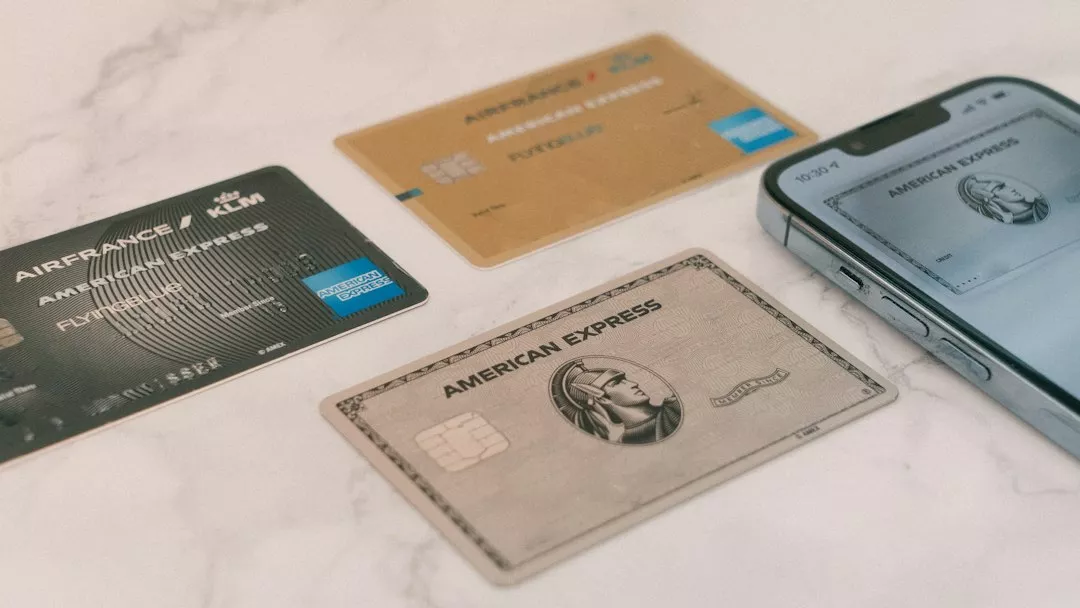
Mobile payment systems like Apple Pay, Google Pay, and Samsung Pay operate differently from traditional contactless cards. These digital wallets often have higher or no specific transaction limits because they use additional authentication methods such as biometric verification or device passcodes.
Biometric Authentication Benefits
When using your smartphone or smartwatch for payments, the biometric authentication (fingerprint, face recognition, or iris scanning) provides an additional layer of security. This means many mobile payment transactions can exceed the traditional £100 card limit, subject to merchant acceptance and your bank's policies.
Different banks may have varying policies regarding mobile payment limits. Some institutions allow unlimited contactless spending through mobile wallets when proper authentication is used, while others may still impose daily or transaction limits for risk management purposes.
Security Features and Fraud Protection
Understanding the security measures behind contactless payments can help you use this technology confidently while protecting your finances. UK banks employ sophisticated fraud detection systems that monitor spending patterns and flag unusual activity.
Random PIN Requests
Even for transactions under the contactless limit, payment terminals may randomly request PIN entry. This security feature helps ensure that the person using the card is the legitimate cardholder. The frequency of these requests varies by bank and spending pattern, but they typically occur after several consecutive contactless transactions.
Cumulative Spending Limits
Banks monitor cumulative contactless spending and may require PIN verification after reaching certain thresholds. This might happen after £130-£300 in total contactless spending, depending on your bank's security policies. Regular PIN entry helps verify your identity and reset the contactless spending counter.
Managing Your Contactless Spending
Effective management of contactless payments requires understanding your spending habits and implementing personal financial controls. The convenience of contactless payments can sometimes lead to increased spending, making budget tracking essential.
Setting Personal Limits
Many UK banks allow customers to set their own contactless limits through online banking or mobile apps. You might choose to set a lower limit than the maximum £100 if you prefer additional spending control. Some banks also offer the option to disable contactless payments entirely if you prefer traditional chip and PIN transactions.
Consider setting up spending alerts through your bank's mobile app to monitor contactless transactions in real-time. This helps you track daily spending and identify any unauthorized transactions quickly.
Merchant Variations and Special Cases
While the standard contactless limit is £100, individual merchants may implement different policies based on their business needs and risk tolerance. Understanding these variations helps set appropriate expectations when shopping.
Transport and Subscription Services
Some services, particularly transport systems like Transport for London (TfL), operate under special contactless payment rules. These systems may allow higher spending limits or different authentication requirements due to the nature of their services and existing agreements with payment processors.
Subscription services and recurring payments through contactless technology may also operate under different limit structures, particularly when using mobile payment systems with stored authentication credentials.
International Contactless Payments
When traveling abroad, contactless payment limits vary significantly between countries. European countries generally have similar limits to the UK, while other regions may have much lower thresholds. Always check local limits before relying on contactless payments when traveling.
Using secure payment methods becomes particularly important when traveling, as international transactions may carry additional fraud risks and currency conversion considerations.
Future Developments in Contactless Technology
The contactless payment landscape continues evolving with advancing technology and changing consumer needs. Biometric cards, which incorporate fingerprint readers directly into the card, are being tested in the UK market and could potentially eliminate transaction limits entirely for authenticated users.
Enhanced fraud detection using artificial intelligence and machine learning may also influence future limit structures, potentially allowing for more personalized and dynamic spending thresholds based on individual risk profiles and spending patterns.
Best Practices for Contactless Payment Security
To maximize the benefits of contactless payments while maintaining security, consider implementing these practical strategies:
Keep your contactless cards in RFID-blocking wallets to prevent unauthorized scanning when not in use. Regularly review your bank statements and set up instant transaction notifications to quickly identify any suspicious activity.
For those using rewards credit cards, contactless payments can be an efficient way to earn points or cashback on everyday purchases while staying within comfortable spending limits.
Understanding and effectively managing UK contactless payment limits empowers you to make informed decisions about your payment methods while maintaining financial security and control. Whether using traditional contactless cards or mobile payment systems, staying informed about current limits and security features helps you maximize convenience while protecting your financial interests.

Sarah Mitchell
Financial journalist with over 8 years of experience covering personal finance, banking, and credit markets in the United Kingdom.