UK Credit Card Fees Explained: Complete Guide to Costs, Charges and How to Avoid Them
Advertisement
Complete guide to UK credit card fees including annual charges, foreign transaction costs, cash advance fees and practical tips to avoid unnecessary expenses.

Understanding UK Credit Card Fees: What You Need to Know
Credit cards offer convenience and rewards, but understanding the various fees involved is crucial for making smart financial decisions. UK credit card fees can significantly impact your finances if you're not careful, but with proper knowledge, many of these charges are completely avoidable.
This comprehensive guide breaks down every type of credit card fee you might encounter in the UK, explains when they apply, and provides practical strategies to minimize or eliminate these costs entirely.

Annual Fees and Membership Charges
What Are Annual Fees?
Annual fees are yearly charges that some credit card providers levy for maintaining your account. These fees typically range from £25 to £500+ depending on the card's premium level and benefits offered.
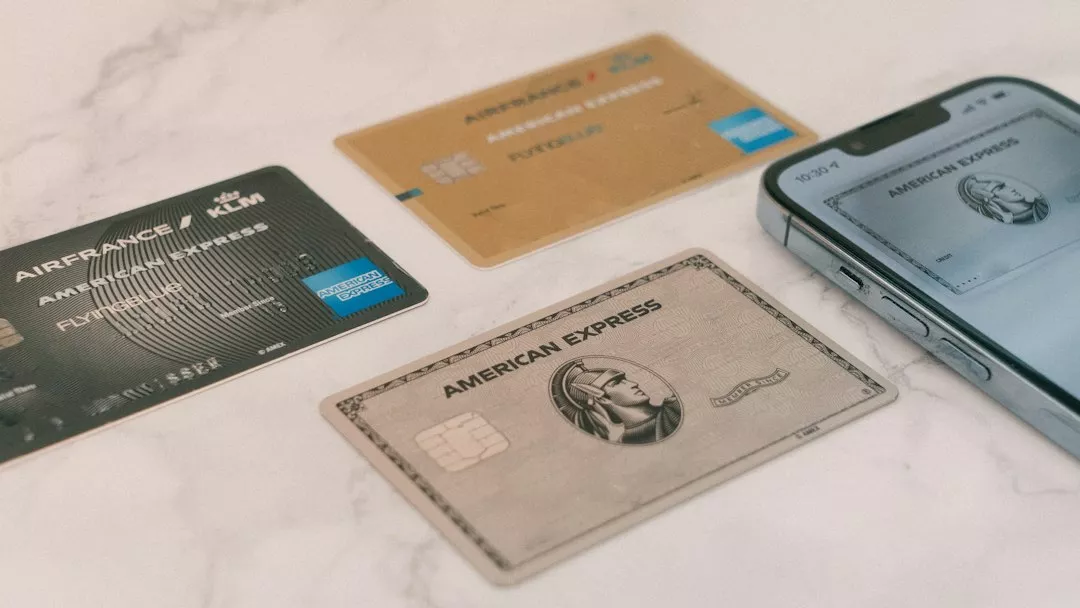
Premium cards like the Barclays Avios cards or high-end American Express products often carry substantial annual fees but compensate with generous rewards, travel benefits, and exclusive perks.
When Annual Fees Make Sense
Annual fee cards can provide excellent value if you:
- Spend enough to earn rewards that exceed the annual fee
- Regularly use premium benefits like airport lounge access
- Take advantage of travel insurance and purchase protection
- Receive substantial welcome bonuses that offset the cost
Avoiding Unnecessary Annual Fees
Many excellent UK credit cards have no annual fee, including options from major providers like Halifax and Santander. Always calculate whether the benefits justify the cost before choosing a fee-paying card.
Interest Charges and APR
Purchase APR
The Annual Percentage Rate (APR) for purchases typically ranges from 18.9% to 39.9% across UK credit cards. This rate applies to any balance you carry from month to month after the interest-free period expires.
Cash Advance APR
Cash advances usually carry higher APR rates, often 3-5% above the purchase rate, and interest begins accruing immediately with no grace period.
Avoiding Interest Charges
The most effective way to avoid interest charges is paying your full statement balance by the due date each month. Most UK credit cards offer interest-free periods of 51-56 days on purchases when you pay in full.
Foreign Transaction Fees
Standard Foreign Transaction Charges
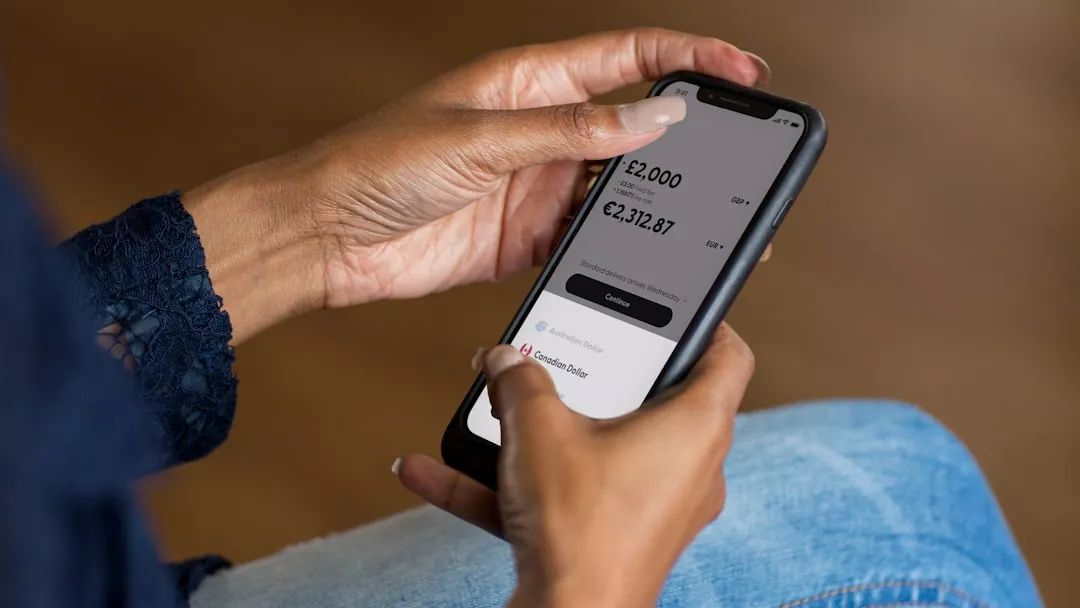
Most UK credit cards charge foreign transaction fees of 2.75% to 2.99% on purchases made abroad or in foreign currencies online. This includes the card network's exchange rate margin and the issuer's fee.
Fee-Free Foreign Spending Cards
Several UK credit cards offer fee-free foreign spending, making them ideal for travelers:
- Barclays Rewards Card
- Halifax Clarity Credit Card
- Santander Zero Credit Card
- Various premium cards that waive foreign fees as a benefit
Impact on Your Spending
On a £1,000 foreign purchase, a 2.99% fee costs £29.90. For frequent travelers or online shoppers buying from international retailers, these fees add up quickly.
Cash Advance Fees and Costs
Cash Advance Fee Structure
UK credit cards typically charge cash advance fees of 3-5% of the amount withdrawn, with minimum fees of £3-£5. Additionally, interest begins accruing immediately at the cash advance APR rate.
What Counts as Cash Advances
Beyond ATM withdrawals, these transactions often trigger cash advance fees:
- Money orders and traveler's checks
- Wire transfers and money transfers
- Gambling transactions
- Cryptocurrency purchases
- Some bill payments and money transfer services
Alternatives to Cash Advances
Instead of expensive cash advances, consider debit cards, fee-free ATM networks, or maintaining emergency cash reserves.
Late Payment and Overlimit Fees
Late Payment Penalties
UK credit card late payment fees typically range from £12 for smaller balances to £27+ for larger amounts. Late payments also trigger penalty APR rates and damage your credit score.
Overlimit Fees
While less common now due to regulations, some cards still charge fees of £12-£27 when you exceed your credit limit. Many issuers simply decline transactions that would breach your limit.
Prevention Strategies
Set up direct debits for at least the minimum payment, use mobile banking alerts for due dates, and monitor your spending to stay within limits.
Balance Transfer Fees
Standard Balance Transfer Costs
Balance transfer fees typically range from 1-4% of the transferred amount, though some promotional offers waive these fees entirely.
Promotional vs. Standard Rates
Many UK credit cards offer 0% balance transfer promotions with reduced or waived fees for new customers. After promotional periods end, standard balance transfer rates and fees apply.
Calculating Transfer Value
When considering balance transfers, factor in the fee against potential interest savings. A 3% transfer fee might be worthwhile if you're moving debt from a 25% APR card to a 0% promotional rate.
Specialty Fees and Charges
Returned Payment Fees
When direct debits or payments fail due to insufficient funds, expect fees of £12-£25 plus potential late payment charges.
Copy Statement Fees
Requesting paper copies of old statements can incur charges of £5-£15 per statement, though digital copies are usually free.
Card Replacement Costs
Emergency card replacements abroad typically cost £25-£35, while standard UK replacements are usually free.
Strategies to Minimize Credit Card Fees
Choose the Right Card
Select cards that align with your spending habits and lifestyle. If you rarely travel abroad, foreign transaction fees shouldn't influence your decision. For comprehensive comparisons, review guides on specific providers like HSBC credit cards.
Understand Your Terms
Read your credit agreement carefully, noting all fee structures, promotional periods, and rate changes. Keep track of when promotional rates expire.
Maintain Good Payment Habits
Always pay at least the minimum amount by the due date, ideally paying your full balance to avoid interest charges entirely.
Monitor Your Account Regularly
Regular account monitoring helps you spot unusual charges, stay within credit limits, and track your spending patterns.
Fee Comparison Across UK Providers
Major Bank Fee Structures
High street banks like NatWest, Barclays, and HSBC typically offer similar fee structures, though specific products may vary significantly in their charges and benefits.
Alternative Provider Options
Newer financial services providers often offer competitive fee structures, sometimes with no foreign transaction fees or reduced annual charges as competitive advantages.
Premium vs. Standard Cards
Premium cards justify higher fees through enhanced rewards, superior customer service, travel benefits, and exclusive perks that can offset the costs for heavy users.
Conclusion: Making Informed Credit Card Choices
Understanding UK credit card fees empowers you to make smarter financial decisions and avoid unnecessary costs. While some fees are unavoidable in certain circumstances, many can be eliminated through careful card selection and responsible usage habits.
Focus on finding cards that match your spending patterns, always pay balances in full when possible, and regularly review your credit card terms to ensure you're getting the best value. With proper management, credit cards can provide significant benefits without excessive fees eating into your finances.
Remember that the cheapest card isn't always the best choice – consider the total value proposition including rewards, benefits, and features against all associated costs to find the optimal credit card for your financial situation.

Sarah Mitchell
Financial journalist with over 8 years of experience covering personal finance, banking, and credit markets in the United Kingdom.