South African Investment Platforms: Complete Guide to Stock Trading, ETFs and Portfolio Building
Advertisement
Complete guide to South African investment platforms. Compare fees, features, and benefits of major brokers like EasyEquities, Satrix, and PSG Wealth.

Understanding South African Investment Platforms
Investing in the South African market has become increasingly accessible through digital investment platforms that cater to both beginner and experienced investors. These platforms offer exposure to local and international markets, allowing South Africans to build diversified portfolios without the traditional barriers of high minimum investments or complex paperwork.
The landscape of South African investment platforms has evolved significantly, with several key players offering competitive fees, user-friendly interfaces, and comprehensive investment options. Understanding the differences between these platforms is crucial for making informed decisions about where to invest your hard-earned rands.
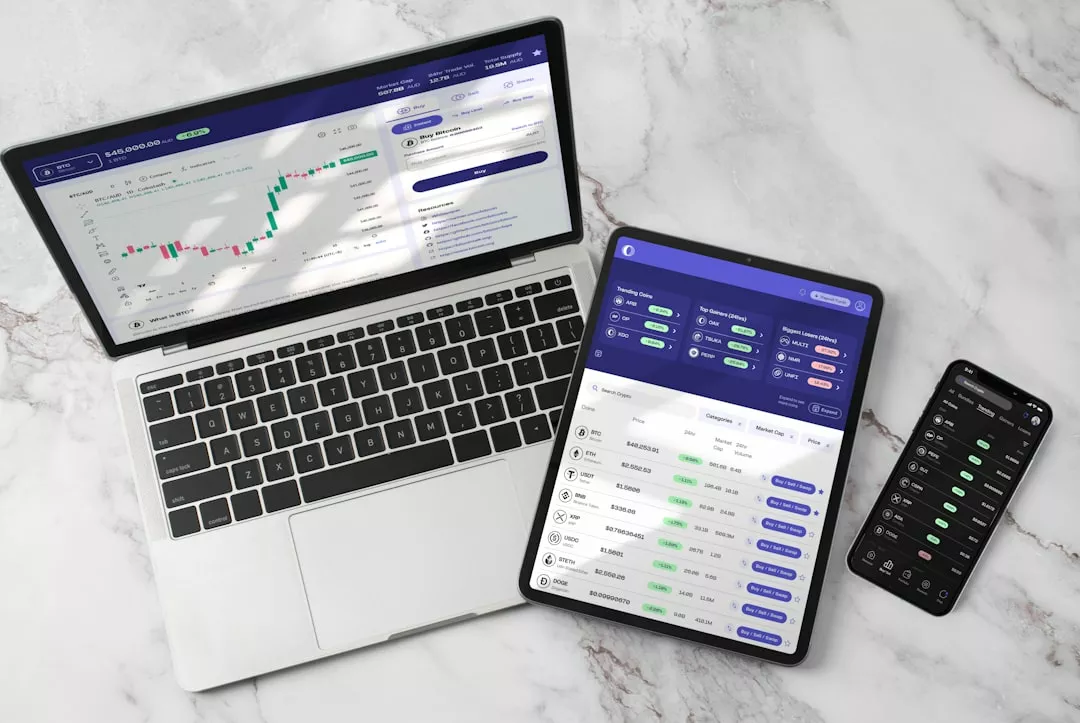
Major South African Investment Platforms
EasyEquities
EasyEquities stands out as one of the most popular investment platforms in South Africa, particularly among retail investors. The platform offers fractional share investing, allowing you to buy portions of expensive shares with as little as R1. This democratization of investing has made it possible for South Africans to invest in companies like Naspers or international giants like Apple without needing thousands of rands upfront.
The platform charges no monthly fees for basic accounts and offers competitive brokerage fees. Local share transactions cost R25 plus 0.25% of the transaction value, while international investments carry slightly higher fees but remain competitive within the market. EasyEquities also provides access to exchange-traded funds (ETFs), unit trusts, and tax-free savings accounts.
Satrix
Satrix, owned by Sanlam, focuses primarily on low-cost index investing through ETFs. The platform is ideal for passive investors who prefer a buy-and-hold strategy rather than active trading. Satrix offers some of the lowest expense ratios in the South African market, making it an excellent choice for long-term wealth building.
The platform's strength lies in its comprehensive range of local and international ETFs, covering various asset classes including equities, bonds, and property. Satrix also offers model portfolios for investors who prefer professional portfolio construction without the need for a financial advisor.
PSG Wealth
PSG Wealth caters to both self-directed investors and those seeking advisory services. The platform offers a comprehensive range of investment products, including direct equity investments, unit trusts, ETFs, and structured products. PSG Wealth's fees vary depending on the services used, with self-directed investing generally more cost-effective than advisory services.
The platform provides robust research and analysis tools, making it suitable for more sophisticated investors who value detailed market information and professional insights.
Investment Options Available
Local Equity Investments
South African investment platforms provide access to shares listed on the Johannesburg Stock Exchange (JSE). This includes major companies across various sectors such as banking (Standard Bank, FirstRand), mining (Anglo American, Sasol), retail (Shoprite, Pick n Pay), and telecommunications (MTN, Vodacom).
Local equity investing allows you to participate in the South African economy's growth while earning dividends in rands. However, it's important to consider the concentration risk of investing solely in the South African market, which is why many platforms also offer international exposure.

Exchange-Traded Funds (ETFs)
ETFs have become increasingly popular among South African investors due to their low costs and instant diversification. These funds track various indices, from the JSE Top 40 to international markets like the S&P 500 or emerging markets.
Popular South African ETFs include the Satrix Top 40 (STX40), CoreShares S&P 500 (SPY500), and Ashburton Global 1200 (GLO1200). These funds allow you to gain exposure to hundreds or thousands of companies with a single investment, reducing the risk associated with individual stock picking.
International Investments
Most major South African investment platforms now offer access to international markets, allowing you to invest in global companies and diversify your portfolio geographically. This is particularly important given South Africa's single annual offshore investment allowance of R11 million for individuals.
International investing through South African platforms is typically done through local ETFs that track international indices or through direct access to foreign exchanges. The latter option usually involves higher fees but provides more flexibility in stock selection.
Fees and Costs Structure
Understanding the fee structure is crucial when choosing an investment platform, as costs can significantly impact long-term returns. South African investment platforms typically charge several types of fees:
Brokerage Fees
Most platforms charge a brokerage fee for each transaction, usually structured as a minimum fee plus a percentage of the transaction value. For example, EasyEquities charges R25 plus 0.25% for local shares, while international transactions may cost R99 plus 0.50%.
Annual Management Fees
Some platforms charge annual account management fees, typically ranging from R200 to R500 per year. However, many newer platforms have eliminated these fees to remain competitive, especially for basic self-directed accounts.
Fund Management Fees
When investing in unit trusts or ETFs, you'll pay ongoing fund management fees, typically expressed as an annual expense ratio. These fees range from as low as 0.10% for simple index ETFs to over 2.00% for actively managed unit trusts.
When comparing platforms, consider the total cost of ownership, including all applicable fees, rather than focusing solely on headline brokerage rates.

Tax-Free Savings Accounts (TFSAs)
All major South African investment platforms offer Tax-Free Savings Accounts, which allow you to invest up to R36,000 annually (with a lifetime limit of R500,000) without paying tax on growth or income. TFSAs are particularly valuable for long-term investors, as the tax savings compound over time.
When choosing a platform for your TFSA, consider the investment options available, as some platforms offer broader ranges of qualifying investments than others. ETFs and unit trusts are popular TFSA investments due to their diversification and professional management.
For more comprehensive financial planning strategies, consider reading our guide on South African personal finance tips to understand how investment platforms fit into your broader financial goals.
Technology and User Experience
Modern investment platforms prioritize user experience through intuitive mobile apps and web interfaces. Features to look for include real-time pricing, portfolio tracking, research tools, and educational resources.
Many platforms now offer robo-advisor services that automatically rebalance portfolios based on your risk profile and investment goals. These services typically charge lower fees than traditional financial advisors while providing professional portfolio management.
Security is paramount when choosing an investment platform. Look for platforms that use bank-level encryption, two-factor authentication, and are regulated by the Financial Sector Conduct Authority (FSCA).
Getting Started with Investment Platforms
Opening an investment account in South Africa requires providing FICA documents, including proof of identity, address, and income. Most platforms have streamlined this process, allowing online applications that can be completed within minutes.
Before investing, define your investment goals, risk tolerance, and time horizon. This will help you choose appropriate investments and avoid emotional decision-making during market volatility.
Start with small amounts to familiarize yourself with the platform's interface and investment process. Many successful investors begin with regular monthly investments into diversified ETFs before progressing to individual stock selection.

Consider complementing your investment strategy with other South African financial products. Our comprehensive guide to South African mortgages can help you understand how property investment fits into your overall portfolio, while exploring credit card options can help you manage cash flow while building your investment portfolio.
Risk Management and Portfolio Diversification
Successful investing through South African platforms requires understanding and managing risk. Diversification across asset classes, sectors, and geographies helps reduce portfolio volatility while maintaining growth potential.
Consider allocating investments across local and international markets, with many financial advisors suggesting a 70/30 or 60/40 split between local and international investments for South African investors. This helps hedge against rand weakness and provides exposure to global growth opportunities.
Regular portfolio reviews and rebalancing ensure your investment allocation remains aligned with your goals and risk tolerance. Most platforms provide tools to monitor and adjust your portfolio as needed.
Remember that investing always involves risk, and past performance doesn't guarantee future results. Only invest money you can afford to lose, and consider consulting with a qualified financial advisor for personalized investment advice based on your specific circumstances.

James Okonkwo
Banking analyst and personal finance writer specializing in South African financial markets, investment strategies, and credit products.